For centuries, artists created masterpieces using pigments ground from minerals, dyes extracted from plants, and binders made from natural resins and oils. Then the twentieth century arrived, and with it a flood of synthetic materials that promised convenience and consistency — but at a hidden cost. Today, a growing number of artists are returning to those older traditions, not out of nostalgia, but out of a genuine commitment to their health and the health of the planet.
The most immediate concern for any working artist is solvent exposure. Traditional turpentine and mineral spirits are petroleum-derived products that release volatile organic compounds (VOCs) into studio air. Chronic exposure has been linked to headaches, respiratory issues, neurological problems, and even increased cancer risk. This is especially concerning for art students who spend long hours in studio environments, and for instructors who are exposed day after day, year after year.
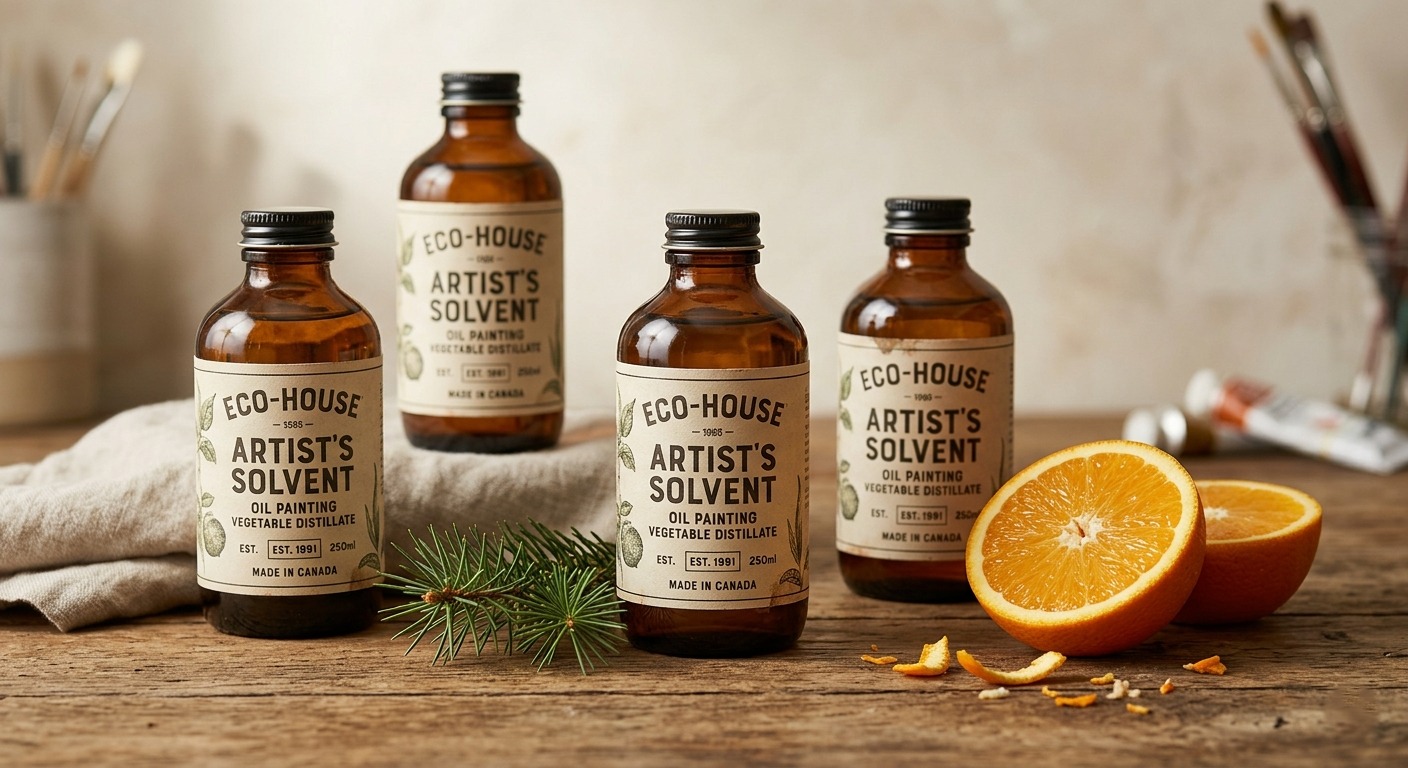
Eco-House’s #115 Extra Mild Citrus Thinner was developed specifically to address this problem. Derived from citrus peel oil, it dissolves oil paint effectively while producing none of the toxic fumes associated with turpentine. Paired with the #125 Painting Medium — a blend of natural resins and plant oils — it provides a complete, non-toxic painting system that has been adopted by over 200 universities and art colleges across North America.
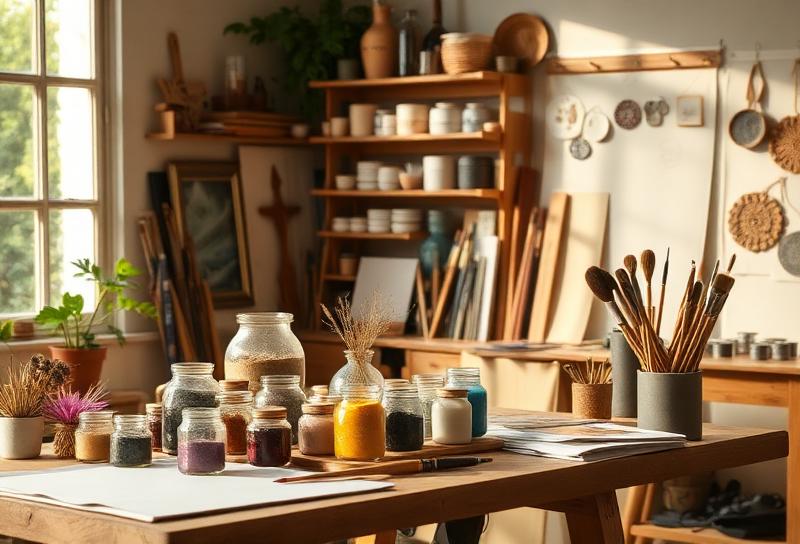
Beyond solvents, conscious artists are rethinking every material in their studio. Natural pigments — ochres, siennas, umbers, and mineral-based colors — have been used since prehistoric cave paintings and offer a depth and warmth that synthetic pigments often struggle to match. Companies specializing in historical pigments now offer these in ready-to-use forms, making them accessible to contemporary artists without requiring them to grind their own.
Brushes are another area ripe for sustainable choices. While synthetic brushes have their place, many artists prefer brushes made from sustainably sourced natural hair or plant fibers. Bamboo-handled brushes, for example, are renewable, lightweight, and surprisingly durable. And when a natural-fiber brush finally wears out, it biodegrades — unlike its nylon counterpart, which will persist in a landfill for centuries.
Canvas and paper choices matter too. Look for canvases made from organic cotton or linen, stretched on FSC-certified wood frames. For works on paper, seek out sheets made from cotton rag or hemp — both are more archival than wood-pulp paper and are produced with far less environmental impact. Some manufacturers now offer papers made from agricultural waste products like sugarcane bagasse, turning what would be trash into beautiful, textured art surfaces.
The shift toward sustainable art supplies isn’t about sacrifice — it’s about intention. When you choose materials that honor the natural world, your creative practice becomes an extension of the values you express in your work. Every tube of paint, every brush stroke, every choice becomes a statement. And as more artists make these choices, the industry responds, expanding the range of non-toxic, eco-friendly options available to everyone. The conscious studio isn’t a compromise; it’s an evolution.