In 1988, Henry J. Reinartz had a simple but radical idea: what if the products we use to beautify our homes and create art didn’t have to poison us in the process? At a time when the paint and coatings industry was dominated by petroleum-based solvents and synthetic chemicals, Henry began importing natural paints and wood stains from small European manufacturers who had never abandoned traditional, plant-based formulations.
The early days were anything but easy. Working out of a modest workshop in Ontario, Canada, Henry spent weekends at craft fairs and art shows, educating anyone who would listen about the dangers lurking in conventional paint products. Most people had never heard of VOCs — volatile organic compounds — let alone understood that the ‘new paint smell’ they associated with fresh renovations was actually a cocktail of toxic chemicals off-gassing into their living spaces.
The turning point came when schools and universities began reaching out. Teachers and administrators were growing concerned about the health effects of art supplies on students — particularly in poorly ventilated studios where young artists spent hours working with turpentine and solvent-heavy mediums. Henry saw an opportunity not just to sell products, but to fundamentally change how institutions thought about the materials they put in students’ hands.
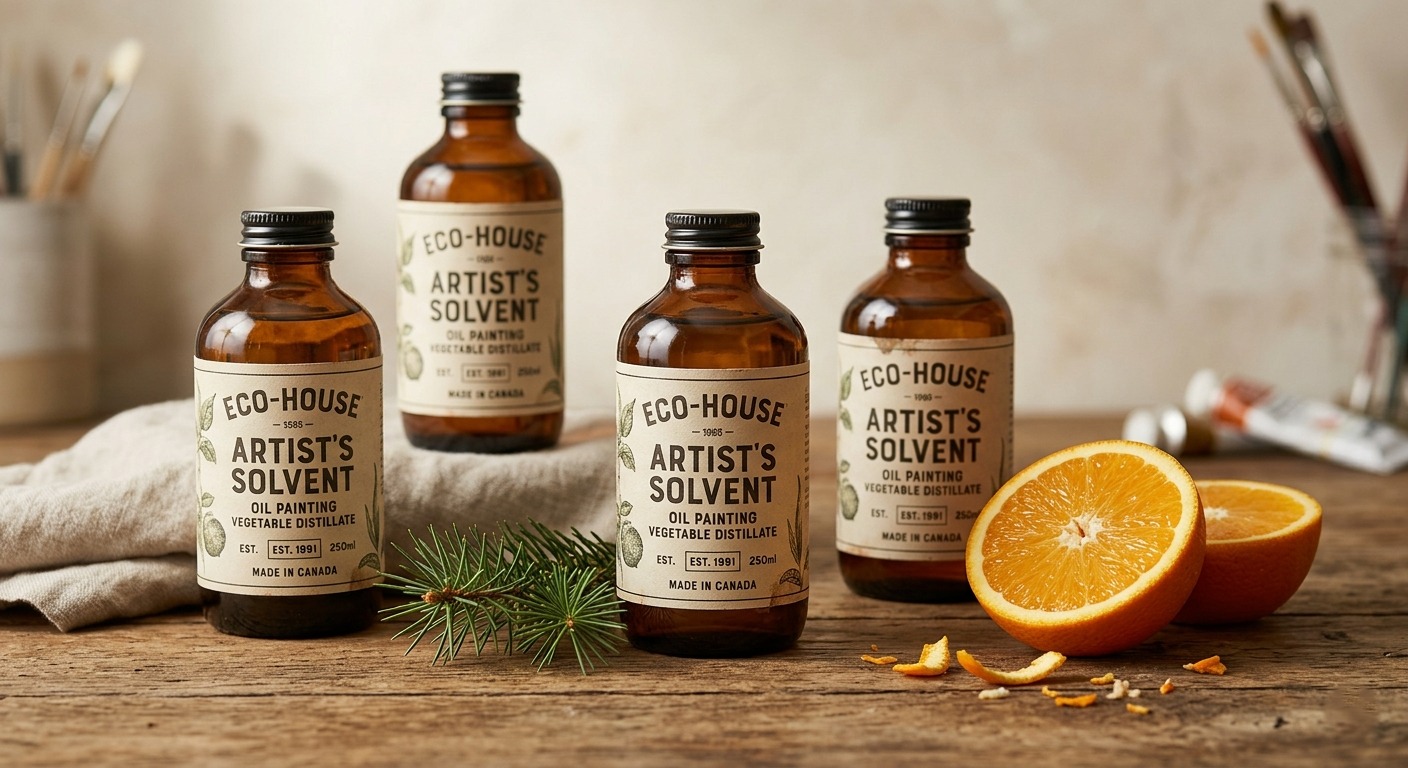
He developed Eco-House’s flagship solvent line, including the now-iconic #115 Extra Mild Citrus Thinner and #125 Painting Medium, specifically formulated to meet the needs of professional artists without compromising their health. These products replaced toxic turpentine and mineral spirits with plant-derived alternatives that performed just as well — and often better — than their synthetic counterparts. Universities and art colleges across North America quickly adopted the line.
Over the next three decades, Eco-House expanded from artist mediums into a comprehensive range of natural wood finishes, floor treatments, and interior coatings. Each product was developed with the same philosophy: use the finest natural ingredients, maintain professional-grade performance, and never compromise on safety. The company’s linseed oil-based wood finishes became particularly popular among timber framers, furniture makers, and heritage restoration specialists who valued both quality and sustainability.
Today, Eco-House products are trusted by professional artists, woodworkers, and eco-conscious homeowners across North America and beyond. The company remains family-operated, and every product is still formulated with the same commitment to transparency that Henry insisted on from day one: every ingredient is listed, every claim is substantiated, and every product is designed to be safe for the people who use it and the planet we all share.
Looking back on 35+ years, the market has finally caught up with Henry’s vision. Consumers today actively seek out non-toxic alternatives, and sustainability is no longer a niche concern but a mainstream expectation. Eco-House didn’t just ride this wave — it helped create it, proving that you don’t have to choose between performance and responsibility. As the company moves into its next chapter, that founding principle remains unchanged: nature provides everything we need to create beautifully, safely, and sustainably.